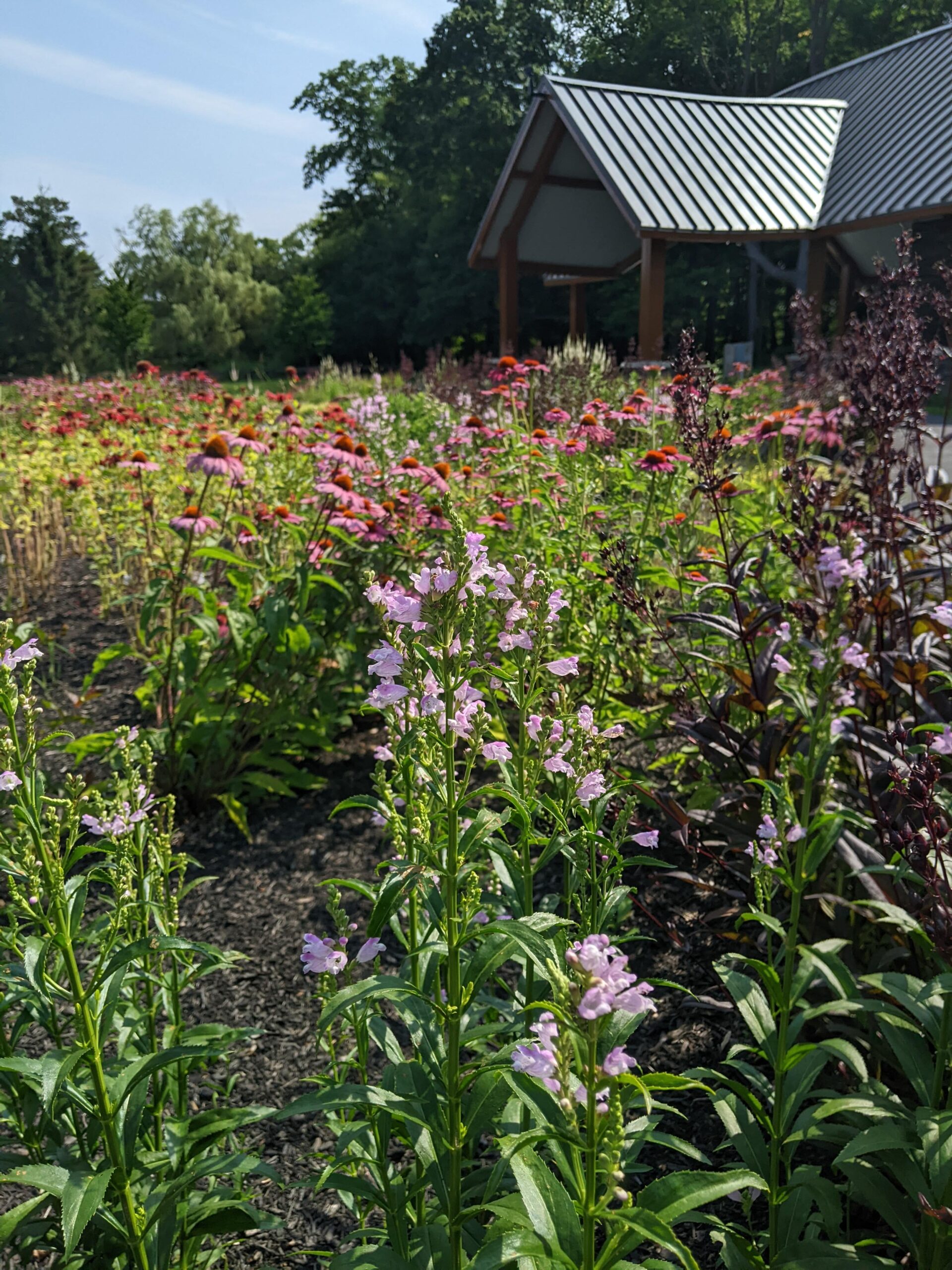
What better way to celebrate National Pollinator Week than to join us for a Bioblitz! This is a fun, free event for people of all ages. No experience required. Just put on your comfy walking shoes, grab your smartphone, and join us at the Pavilion at FT Proctor Park on Sunday, June 28th from 12:30 to 3. Take a look at our project page and find out more here: http://www.inaturalist.org/projects/ft-proctor-park-bioblitz-2026. (You can also watch the results come in live during the event at this link if unable to attend.)
So what is a Bioblitz? Simply put, it’s a nature scavenger hunt. Local wildlife and plant experts and enthusiasts will lead us through the park to look for and identify all kinds of living things. Beetles, caterpillars, butterflies, wildflowers, salamanders, mushrooms, and more! Did you know that ants,
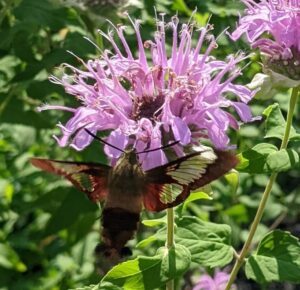
Hummingbird moth pollinating Monarda fistulosa
wasps, hummingbirds, and even bats are pollinators? Virtually all of the world’s plants rely on animals or insects to transfer pollen from the male parts of the flower to the female parts in order to produce seed and reproduce. Many pollinators are collecting or eating the pollen for protein or drinking the nectar for carbohydrates while inadvertently distributing the pollen and carrying out a necessary step in the plant’s lifecycle. We rely on plants for many things – for food, flowers for enjoyment, trees for wood and shelter to name just a few. Without pollinators, plants would largely be unable to reproduce and provide these things we, and all creatures, need. So pollinators are the little things that really do run the world!
-
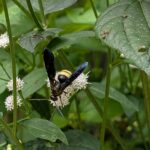
- Double banded scoliid wasp
-
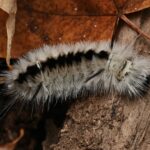
- Hickory tussock moth caterpillar
-
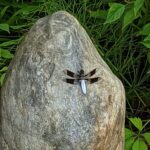
- Whitetail dragonfly
For Olmsted City, a Bioblitz can help us manage the park better.
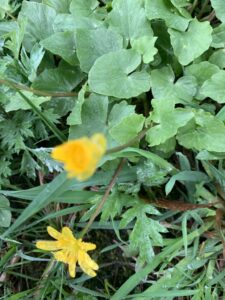
Invasive Ficaria verna
At our first Bioblitz, a participant found and took a picture of a plant that we were able to identify as a troubling invasive plant species that we didn’t know was present in the park. This allowed us to catch it before it really started to spread and become a much bigger problem. A Bioblitz also helps the larger scientific community record and monitor wildlife and plant populations. During our last Bioblitz at the park, we identified 109 species – 71 plant species, 12 fungi, 9 insects, 6 birds, 3 spiders, 2 mammals, 2 fish, 1 amphibian, 1 snake and 1 protist (a cool slime mold called “wolf’s milk”). To see pictures of what we have found in our past Bioblitzes, visit our project page here: http://www.inaturalist.org/projects/ft-proctor-park-bioblitz.
-
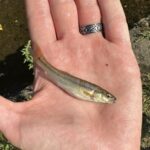
- Creek chub
-
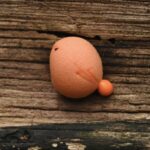
- Slime mold “Wolf’s Milk”
-
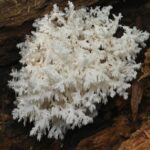
- Coral tooth fungus
We look forward to seeing you on Sunday and thank you for helping us maintain this historic treasure in Utica. If you’ve never been to FT Proctor Park, it is located at the corner of Rutger and Culver and there is a parking lot on Rutger St. Meet us at the Pavilion next to the parking lot. And please note: there are two Proctor parks, and if you rely only on GPS, you will very likely end up at the intersection of Welsh Bush Road and Culver Avenue, which is the wrong park!
To learn more about pollinators, visit the US Forest Service website: http://www.fs.usda.gov/managing-land/wildflowers/pollinators